How to Build a Thriving Vegetable Garden at Home
Growing your own vegetables at home can be a rewarding and practical way to enjoy fresh, healthy food. Whether you have a large backyard or a small balcony, creating a vegetable garden is possible with the right approach. This guide will walk you through the essential steps to start and maintain a thriving vegetable garden that fits your space and lifestyle.
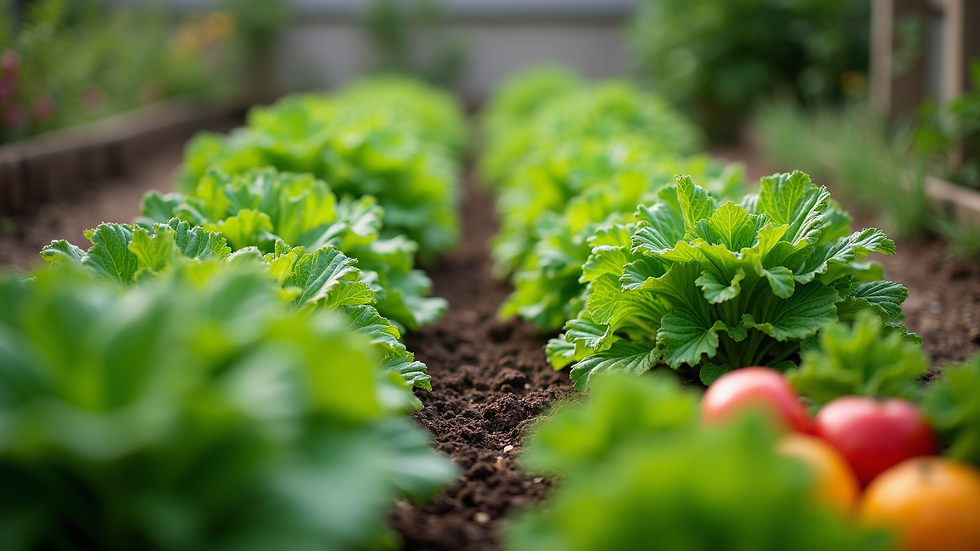
Choosing the Right Location for Your Garden
The success of your vegetable garden depends heavily on where you place it. Vegetables need plenty of sunlight to grow well, so look for a spot that gets at least six hours of direct sunlight each day. If you have limited space, consider container gardening on a balcony or windowsill.
Other factors to consider when choosing a location:
Soil quality: Good soil drains well but retains moisture. Avoid areas where water pools after rain.
Accessibility: Make sure the garden is easy to reach for watering, weeding, and harvesting.
Protection: Choose a spot sheltered from strong winds or heavy foot traffic to protect young plants.
Preparing the Soil for Planting
Healthy soil is the foundation of a productive vegetable garden. Start by clearing the area of weeds, rocks, and debris. Then, loosen the soil to improve aeration and drainage. You can do this by digging or using a garden fork.
Next, enrich the soil with organic matter such as compost or well-rotted manure. This adds nutrients and improves soil structure. If you’re using containers, choose a high-quality potting mix designed for vegetables.
Test your soil’s pH if possible. Most vegetables prefer a slightly acidic to neutral pH between 6.0 and 7.0. Adjust the pH by adding lime to raise it or sulfur to lower it, based on test results.
Selecting Vegetables Suitable for Your Climate and Season
Choosing the right vegetables for your climate and the current season increases your chances of success. Some vegetables thrive in cool weather, while others need warmth.
Cool-season crops: Lettuce, spinach, broccoli, peas, and radishes grow well in spring and fall.
Warm-season crops: Tomatoes, peppers, cucumbers, beans, and squash prefer summer heat.
Check your local planting calendar or consult a gardening center to find the best planting times for your area. Starting seeds indoors can give you a head start on the growing season.
Planting Your Vegetable Garden
When planting, follow the spacing guidelines on seed packets or plant labels to avoid overcrowding. Overcrowded plants compete for nutrients and light, which can reduce yields.
Plant seeds or seedlings at the recommended depth. Water gently after planting to settle the soil around roots. Mulching around plants helps retain moisture and suppress weeds.
Consider companion planting to improve growth and reduce pests. For example, planting basil near tomatoes can enhance flavor and deter insects.
Watering and Maintaining Your Garden
Consistent watering is critical for vegetable growth. Most vegetables need about 1 inch of water per week, either from rain or irrigation. Water deeply at the base of plants to encourage strong root development and reduce disease risk.
Regularly check your garden for weeds and remove them promptly. Weeds compete with vegetables for nutrients and water.
Fertilize your garden as needed using organic fertilizers or balanced vegetable fertilizers. Follow package instructions to avoid overfeeding, which can harm plants.
Dealing with Pests and Diseases
Pests and diseases can damage your vegetable garden, but you can manage them with natural methods:
Inspect plants regularly for signs of pests like holes in leaves or sticky residue.
Use physical barriers such as row covers or netting to protect plants.
Encourage beneficial insects like ladybugs and lacewings that eat harmful pests.
Remove affected leaves or plants to prevent disease spread.
Rotate crops each year to reduce soil-borne diseases.
Avoid chemical pesticides when possible to keep your garden safe for people and pollinators.
Harvesting and Storing Your Vegetables
Harvest vegetables at their peak for the best flavor and nutrition. Some vegetables, like lettuce and spinach, can be picked leaf by leaf, while others, like tomatoes and peppers, should be harvested whole.
Use clean scissors or garden shears to avoid damaging plants. Store harvested vegetables in a cool, dry place or refrigerate them depending on the type.
Preserving excess produce by freezing, canning, or drying can extend your harvest and reduce waste.
Tips for Success and Enjoyment
Start small to avoid feeling overwhelmed.
Keep a garden journal to track planting dates, weather, and results.
Experiment with different vegetables to find what you enjoy growing and eating.
Involve family members or friends to share the work and fun.
Celebrate your progress and enjoy the fresh flavors of your homegrown vegetables.
Growing a vegetable garden takes effort but offers fresh food, exercise, and a connection to nature. With patience and care, you can create a garden that thrives season after season. Start today and watch your garden grow into a source of pride and nourishment.


Comments